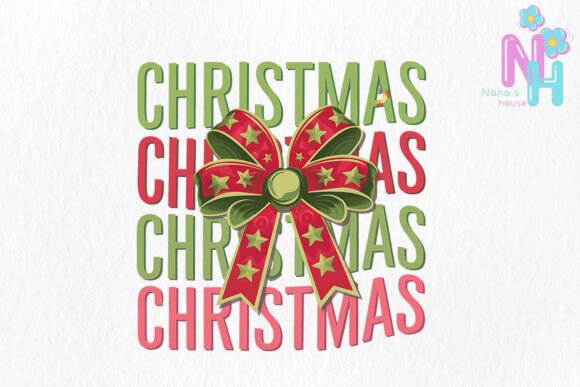
Reviewing the Christmas Bow Sublimation Design
As an embroidery designer who has spent years digitizing patterns and testing them on everything from stiff denim to delicate baby knits, I approach every new machine embroidery design with a critical eye. We often get swept up in the visual appeal of a digital preview, but the real test is how that image translates into thread and fabric. Recently, I evaluated the Christmas Bow Sublimation asset to see how it holds up not just as a graphic, but as a core component of a tangible embroidery project. This isn’t just about pretty pictures; it’s about practical application for Etsy sellers, craft business owners, and hobbyists who need their finished product to look professional.
First Impressions and Visual Mood
The first thing that strikes you about the Christmas Bow Sublimation is its festive yet versatile aesthetic. It falls squarely into the category of Illustrations that are designed to evoke warmth and holiday cheer without being overly cluttered. The shape is balanced, with loops and tails that suggest movement, which is crucial when you are translating a 2D image into a textured medium. For a designer, the layout is promising because it offers clear zones for stitching. The visual personality is classic, making it a safe bet for a wide range of clients who want traditional holiday vibes.
When I imagine this design on a tote bag design or a cozy winter sweatshirt, the mood it creates is inviting. It doesn’t scream for attention with chaotic details; instead, it serves as a strong focal point. This is essential for small shop product lines where brand consistency matters. You want a design that looks intentional, not accidental. The sublimation aspect suggests vibrant colors, which means when paired with embroidery, you have the opportunity to create depth by matching thread tones to the printed gradients or contrasting them for a pop effect.
Real-World Application: The Custom Sweatshirt Test
To truly understand the value of this asset, let’s walk through a real-life scenario. Imagine you are preparing a batch of custom sweatshirt embroidery orders for a local boutique. You decide to use the Christmas Bow Sublimation as the central graphic on a heather grey fleece hoodie. Here, the design acts as the anchor. Because sublimation prints can sometimes look flat on textured fabrics, adding embroidered elements over or around the bow can elevate the perceived value of the handmade product.
In this context, the design performs well because it allows for layered creativity. You might choose to embroider a simple running stitch outline around the bow’s edges to define it against the fabric, or add small satin stitch stars nearby to complement the theme. The result is a personalized gift that feels high-end. Customers reacting to this item aren’t just seeing a print; they are seeing texture and effort. This combination of sublimation and embroidery is a powerful tool for commercial embroidery projects where you need to keep production time low while maximizing visual impact.
Navigating Fabric and Hoop Constraints
However, no design is universal, and honest review requires discussing where caution is needed. While the Christmas Bow Sublimation is visually striking, its success depends heavily on your choice of material and hoop setup. If you are working with thin or stretchy fabric, such as a lightweight t-shirt or a baby onesie for baby embroidery, you must be mindful of the stabilizer. Sublimation ink penetrates the fiber, but embroidery pulls on it. Using the wrong stabilizer can cause puckering, which ruins the clean lines of the bow illustration.
Additionally, consider the hoop size. If you are attempting to place this on a curved surface like a cap, the distortion of the fabric can warp the image. The loops of the bow might look uneven if the fabric stretches during stitching. For embroidered patch creation, this design works beautifully because you can stabilize the backing firmly before stitching. But for direct-to-garment applications on textured fabrics like towels or blankets, ensure that the thread colors you choose have enough contrast. A dark red thread on a dark sublimated background will disappear, losing all the detail that makes the design appealing.
Enhancing Brand Value and Customer Trust
For digital product sellers and apparel decorators, the way you present this design affects buyer engagement. When you use the Christmas Bow Sublimation in your printable mockup or promotional images, it signals professionalism. It shows that you understand current trends in mixed-media crafting. This builds customer trust. A holiday embroidery piece that looks crisp and well-planned suggests that the rest of your design assets are also high quality.
Moreover, this type of design fits seamlessly into wedding gifts or nursery decor if adapted correctly. By changing the color palette of the accompanying embroidery threads, you can shift the mood from festive red and green to elegant gold and cream. This versatility increases the lifespan of the design in your portfolio. It’s not just for December; it’s a structural element that can be repurposed for various custom apparel needs throughout the year.
Practical Notes for the Embroidery Designer
Before you commit to a large production run using this digital embroidery file concept, here are some practical steps I recommend. First, always test the design on scrap fabric that matches your final product. Check the stitch density if you are adding embroidered accents. If the sublimation print is dense, heavy embroidery on top can make the fabric stiff and uncomfortable to wear.
Second, review the thread color contrast. Test your design in black and white mockups to ensure the shapes remain distinct even without color. This helps in identifying areas that might need outlining or highlighting. Third, confirm the licensing terms. While this article discusses the design’s aesthetic and functional qualities, you must verify whether the Christmas Bow Sublimation file allows for commercial use if you plan to sell the finished product or use it in Etsy listings.
Finally, inspect the small details. If the illustration includes tiny elements, ensure your machine can handle them at the chosen hoop size. Sometimes, simplifying the embroidery accompaniment allows the sublimation art to shine. Remember, the goal is harmony between the print and the stitch. When done correctly, this approach results in a small business merchandise item that stands out in a crowded market.
Final Verdict on Usability
The Christmas Bow Sublimation is a strong contender for designers looking to blend modern printing techniques with traditional embroidery. It offers a festive mood that resonates with customers seeking holiday gifts and boutique branding items. By paying attention to fabric texture, stabilizer choice, and thread contrast, you can transform this illustration into a high-value handmade product. Whether you are creating a kitchen towel set or a line of caps, this design provides a solid foundation for creative expression. Just remember to test thoroughly and respect the limitations of your materials to ensure every stitch enhances the overall visual appeal.