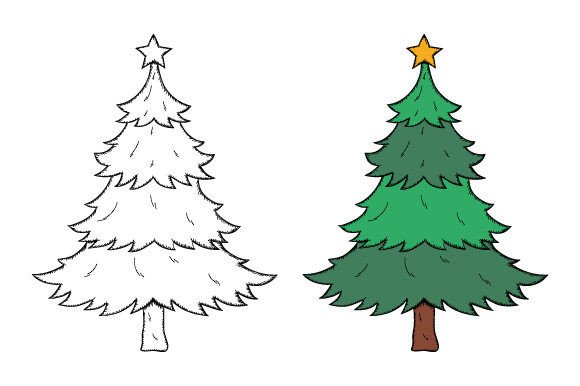
Review: Hand Drawn Christmas Tree Vector Illustr
As a designer who has spent countless hours digitizing artwork and troubleshooting stitch-outs, I approach every new asset with a mix of optimism and skepticism. We have all been there: you find a beautiful graphic online, only to realize it is a nightmare to embroider. Today, I am taking a close look at the Hand Drawn Christmas Tree Vector Illustr. This is not just about whether the image looks pretty on a screen; it is about how this specific piece of art translates into thread, fabric, and ultimately, a sellable handmade product.
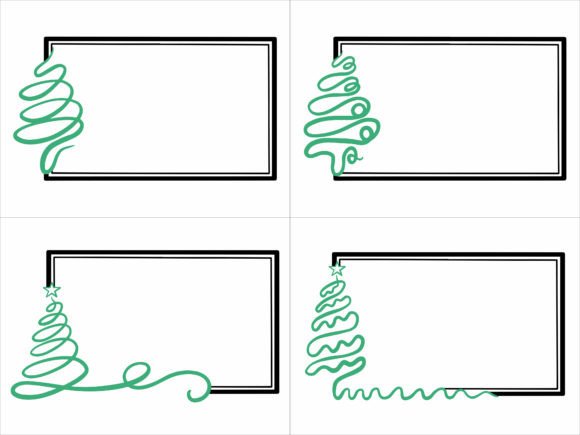
The first thing that strikes me about this Illustrations piece is its organic, imperfect charm. In a market saturated with rigid, geometric holiday graphics, this hand-drawn aesthetic offers a warmth that feels authentic. For embroidery designers and Etsy sellers, this distinction is crucial. Customers are increasingly drawn to items that feel personal and artisanal rather than mass-produced. The wobbly lines and natural asymmetry of the tree suggest a cozy, nostalgic mood, making it an ideal candidate for projects where comfort and tradition are the selling points.
Visual Appeal and Stitching Potential
When evaluating a vector for embroidery, I immediately look at the line weight and complexity. The Hand Drawn Christmas Tree Vector Illustr features bold, expressive strokes that generally translate well to stitching. However, the "hand-drawn" nature means there are likely varying line thicknesses. This requires careful digitizing. If you are converting this yourself, you will need to decide between using a running stitch for a sketch-like effect or a narrow satin stitch for more definition. A running stitch will preserve the artistic integrity of the original drawing, giving it a delicate, illustrative look on fabric. Conversely, a satin stitch will make the design pop more but risks losing some of that subtle, pencil-sketch texture if the column width is too uniform.
The layout of the tree is relatively open, which is a significant advantage. Dense, cluttered designs often lead to puckering, especially on lighter fabrics. This design’s airy structure allows the fabric to breathe, reducing the need for excessive pull compensation. For those creating a tote bag design or a heavy canvas apron, this openness ensures the embroidery remains flexible and does not turn the fabric into a stiff cardboard-like patch. It balances visual interest with structural integrity, a key factor in producing high-quality custom apparel.
Real-World Application: The Holiday Sweatshirt Scenario
Let’s imagine a real-life scenario. You are preparing a limited run of holiday sweatshirts for your small shop. You want something that appeals to families looking for matching outfits but avoids the tacky, overly commercial look of big-box store goods. The Hand Drawn Christmas Tree Vector Illustr fits this brief perfectly. Placed on the left chest of a heather grey crewneck, the design acts as a subtle nod to the season rather than a loud statement.
In this context, the choice of thread colors becomes critical. Because the design is simple, you cannot hide behind complex shading. I would recommend using a variegated green thread to add depth to the tree without increasing stitch count. For the trunk, a warm brown or even a dark charcoal can ground the design. If you are adding ornaments or stars within the branches, keep them minimal. A few well-placed fill stitch accents in gold or red can elevate the design without compromising its hand-drawn simplicity. This approach creates a sophisticated sweatshirt embroidery piece that customers perceive as high-value and boutique-quality.
Navigating Fabric and Hoop Constraints
While this design is versatile, it is not without its challenges. Embroidery is a tactile medium, and the substrate matters. If you plan to use this on stretchy fabrics like jersey knits for baby embroidery projects, stabilization is non-negotiable. The open spaces in the design mean there is less thread holding the fabric together, so a cut-away stabilizer is essential to prevent distortion after washing. For woven fabrics like linen tea towels or cotton pillow covers, a tear-away stabilizer might suffice, but always test on scrap fabric first.
Hoop size is another consideration. While the tree itself might fit in a standard 4x4 inch hoop, consider the negative space. If you intend to add personalized text underneath, such as a family name or "Est. 2024," you will need a larger hoop, perhaps 5x7 inches. Ensure that the scaling of the tree remains proportional to the text. Shrinking the Hand Drawn Christmas Tree Vector Illustr too much to fit a small hoop can cause the finer details to merge, resulting in a blobby appearance. Always check the minimum stitch length and detail resolution before finalizing your digitized file.
Commercial Viability and Brand Consistency
For craft business owners, consistency is key to building brand recognition. This design offers a distinct visual personality that can become part of your brand identity. Whether used on an embroidered patch for jackets, a kitchen towel, or a nursery decor item, the consistent use of this hand-drawn style helps customers identify your work. It signals attention to detail and a preference for artisanal aesthetics over generic clip art.
However, before listing any finished product or digital embroidery file for sale, you must verify the licensing terms. Not all vectors are cleared for commercial embroidery use. Check if the license covers physical goods, digital files, or both. If you are selling the digitized version as a design asset, ensure you have the rights to distribute the derivative work. Transparency with your customers about the origin of your designs builds trust and professionalism.
Practical Designer Notes for Best Results
To get the most out of the Hand Drawn Christmas Tree Vector Illustr, follow these practical steps:
- Test on Scrap Fabric: Always stitch out a test sample on the same type of fabric you plan to use for production. This reveals issues with tension, density, and registration.
- Check Contrast: View your design in black and white. If the details disappear, you may need to adjust stitch angles or add underlay stitches to define edges better.
- Review Stitch Density: Hand-drawn lines can sometimes be digitized with too many stitches. Reduce density where possible to keep the fabric soft and reduce thread breakage.
- Consider Dark Fabrics: If stitching on dark fabric, use a lighter underlay or a contrasting topstitch to ensure the design stands out. A white or light green outline can enhance visibility.
- Mockup Verification: Use printable mockups to visualize the design on different products before committing to production. This helps in marketing your small shop product effectively.
In conclusion, the Hand Drawn Christmas Tree Vector Illustr is a strong contender for holiday collections. Its strength lies in its simplicity and emotional resonance. By paying attention to digitizing techniques, fabric choices, and licensing, you can transform this vector into a standout element in your embroidery project portfolio. It is not just a picture of a tree; it is a tool for creating connection and warmth in your handmade offerings.