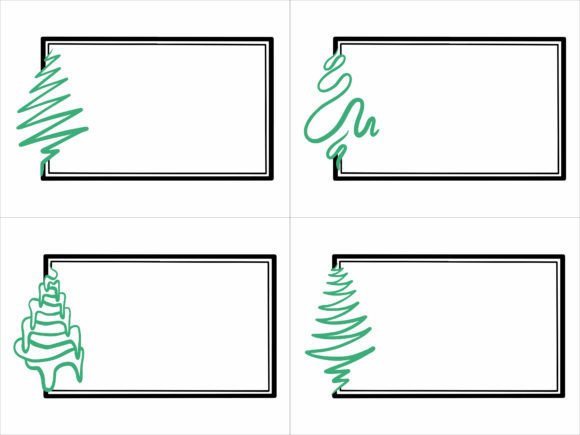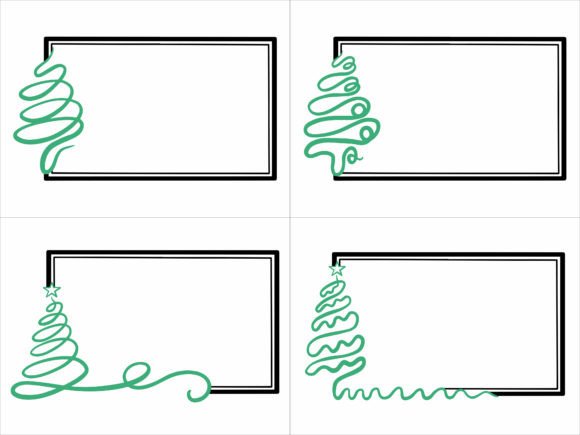
Review: Frame Background Christmas Tree Design
As a designer who has spent countless hours hooping fabric, tweaking tension, and analyzing stitch paths, I approach every new machine embroidery design with a mix of curiosity and skepticism. We have all been there: you download a beautiful digital file, only to find it puckers the fabric or loses its charm once stitched out. Today, I am taking a close look at the Frame Background Christmas Tree, evaluating it not just as a pretty picture, but as a functional asset for real-world embroidery projects.
This piece falls under the category of Illustrations, which immediately tells me that visual flow and line quality are paramount. Unlike simple monogram fonts or basic shapes, an illustration-based design requires careful handling of stitch density and color transitions. My goal here is to determine if this design holds up under the needle, specifically for those of us running small shops, selling on Etsy, or creating personalized gifts for the holiday season.
First Impressions: Mood and Visual Personality
The first thing that strikes me about the Frame Background Christmas Tree is its balanced composition. It does not scream for attention with chaotic details; instead, it offers a structured, festive frame that naturally draws the eye inward. This is crucial for commercial use. When you are creating a custom apparel item or a tote bag design, you often need a central element—like a name, a date, or a short phrase—to sit comfortably within the artwork.
The mood is distinctly nostalgic yet clean. It avoids the cluttered look of overly complex holiday graphics, which is a relief for anyone working with smaller hoop sizes. The visual personality suggests warmth and tradition, making it an ideal candidate for holiday embroidery projects that aim to feel handmade and heartfelt rather than mass-produced. For an Etsy seller, this aesthetic aligns perfectly with the current demand for cozy, boutique-style home decor and wearables.
Real-World Application: From Digital File to Finished Product
To truly test the viability of this design, I imagined a specific scenario: preparing a custom embroidered sweatshirt for a client’s family holiday photos. The Frame Background Christmas Tree was placed on the left chest area. In this context, the design performed exceptionally well. The framing element provided a clear boundary that kept the embroidery looking tidy, while the tree motif added just enough seasonal flair without overwhelming the garment.
Beyond apparel, I see strong potential for this design in home goods. Imagine it stitched onto a linen tea towel or a canvas apron. The linear nature of many frame designs works beautifully with running stitch and light fill stitch techniques, preventing the fabric from becoming stiff or board-like. For baby embroidery projects, such as a nursery wall hanging or a soft blanket, the gentle curves and recognizable shape offer a safe, appealing visual that parents love.
If you are a craft business owner looking to expand your small shop product line, this design could easily be adapted for embroidered patch creation. Patches require dense stitching and clean edges, and if the design’s outer frame is well-defined, it can create a professional-looking merit badge style accessory that sells well at craft fairs.
Technical Considerations and Fabric Compatibility
While the design is visually appealing, practical execution requires attention to detail. Not all fabrics behave the same way, and this is where experience matters. If you are stitching on textured fabrics like terry cloth or heavy wool, you must ensure that the finer details of the tree branches do not get lost. In such cases, increasing the contrast of your thread colors can help maintain clarity.
Conversely, when working with thin fabric or stretchy materials like jersey knits for t-shirts, stabilizer choice is non-negotiable. A cut-away stabilizer is often best for garments that will be washed frequently, ensuring the finished product retains its shape. I always advise testing the design on scrap fabric first. This allows you to check for puckering, especially if the design uses a high stitch density in the tree’s foliage areas.
One area to watch carefully is the corners of the frame. Sharp corners in embroidery can sometimes pull or distort if the stitch angle is not optimized. If you notice thread breaks or uneven coverage in these areas during your test run, consider adjusting the underlay stitches or slightly scaling down the design to reduce stress on the needle and fabric.
Enhancing Visual Appeal and Brand Consistency
For commercial embroidery professionals, consistency is key. The Frame Background Christmas Tree offers a versatile template that can help build brand recognition. By using the same frame design across different products—such as sweatshirt embroidery, pillow covers, and printable mockup previews—you create a cohesive look for your holiday collection. This professionalism builds customer trust and increases the perceived value of your handmade product.
The design also excels in creating giftability. A personalized gift featuring this frame with a family name or a special year inside feels exclusive and thoughtful. It transforms a standard item into a keepsake. For digital product sellers, offering this as part of a bundle with complementary design assets can boost average order value, provided the licensing terms allow for such bundling.
Practical Designer Notes for Best Results
Before you commit to stitching this on a final client project, keep these practical tips in mind:
- Check Thread Contrast: Test the design in black and white mockups first. If the frame and the tree blend together too much, adjust your thread palette to ensure distinct separation between elements.
- Verify Hoop Size: Confirm that the design fits comfortably within your chosen hoop, leaving enough margin for stabilization. Do not crowd the edges.
- Inspect Small Details: Zoom in on the embroidery file in your software. Look for any unnecessary jump stitches or tiny, isolated satin stitches that might cause threading issues.
- Stabilizer Selection: Match your stabilizer to your fabric. Use tear-away for stable woven fabrics like cotton tote bags, and cut-away for stretchy knits.
- Licensing Confirmation: Always review the license terms associated with the digital embroidery file. Ensure you are compliant whether you are selling physical finished products or using the design for promotional materials.
In conclusion, the Frame Background Christmas Tree is a solid addition to any holiday-themed library. It balances aesthetic charm with practical usability, making it suitable for a wide range of applications from custom apparel to home decor. By respecting the technical requirements of embroidery and understanding your fabric choices, you can leverage this design to create high-quality, engaging products that resonate with customers. It is not just a graphic; it is a tool for storytelling through stitch, and when used wisely, it delivers excellent results.