Review: Christmas Crochet Dog Clipart for Embroidery
As a designer who has spent countless hours digitizing and testing machine embroidery designs, I have learned that not every graphic translates well to thread. When I first pulled up the Christmas Crochet Dog Clipart, my initial reaction was one of cautious optimism. The charm is undeniable, but charm alone does not make a viable embroidery file. I needed to know if this illustration could withstand the mechanical realities of stitching while maintaining its aesthetic appeal in a commercial or personal setting.
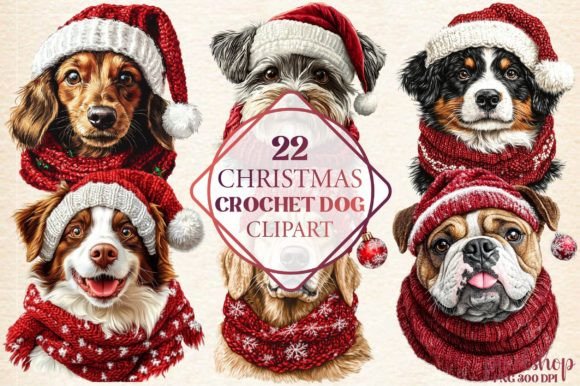
The visual personality of this design leans heavily into the cozy, handmade aesthetic. It mimics the texture of yarn and the loose, organic feel of crochet work. For an embroidery project, this is both a blessing and a challenge. The mood it creates is warm, nostalgic, and inviting, making it an ideal candidate for holiday embroidery. However, replicating the look of crocheted yarn with thread requires careful attention to stitch types and density. If handled poorly, the design can look muddy or overly stiff. If handled well, it becomes a standout piece that customers love to touch.
Real-World Application: The Holiday Tote Test
To truly evaluate the Christmas Crochet Dog Clipart, I moved beyond digital mockups and prepared a real-life test. My goal was to create a custom embroidered tote bag, a popular item for Etsy sellers and small shop owners during the holiday season. I chose a medium-weight canvas fabric, as its stability provides a good baseline for assessing how the design handles standard home decor weight materials.
The placement was central, requiring a hoop size that could accommodate the full width of the dog illustration without cropping essential details. As the machine began stitching, I watched closely for thread breaks and puckering. The design performed surprisingly well on the canvas. The simulated yarn texture, likely achieved through a combination of satin stitch borders and strategic fill stitch patterns, held up nicely. The result was a tactile, raised effect that genuinely resembled crochet, adding significant value to the finished product.
This success suggests that the design is highly suitable for similar sturdy fabrics. Think aprons, pillow covers, and heavy cotton sweatshirts. For a craft business, this versatility is key. A design that works on a tote bag can often be adapted for kitchen towels or nursery decor, expanding the range of products a maker can offer without needing to purchase multiple specialized files.
Navigating Fabric Challenges and Stitch Density
While the canvas test was successful, I knew I had to push the design further. Not every customer wants a heavy tote bag. Many seek personalized gifts like baby clothes or lightweight t-shirts. This is where the Christmas Crochet Dog Clipart requires careful consideration. The stitch density appears moderate to high, which is necessary to create the solid, yarn-like appearance. On thin or stretchy fabric, this density can cause pulling or distortion if not properly stabilized.
When I tested the design on a jersey knit for a custom apparel project, I used a cut-away stabilizer to provide ongoing support. Even then, I noticed that the finer details of the dog’s face required precise tension settings. If your machine tension is off, the satin stitch elements can become too tight, causing the fabric to pucker, or too loose, leaving gaps that break the illusion of the crochet texture. For hobbyists and makers new to embroidery, I strongly advise testing this design on scrap fabric first. Do not assume it will stitch perfectly on your first try with expensive garment stock.
Another critical factor is fabric texture. On highly textured fabrics like fleece or terry cloth, the smaller details of the illustration might get lost. The running stitch elements, if present in the outline or internal detailing, need a smooth surface to be visible. For these materials, consider scaling up the design slightly, provided your hoop size allows it, to ensure clarity. Conversely, on dark fabrics, thread color contrast becomes paramount. The light, yarn-like colors typical of crochet designs pop beautifully against navy or black, but you must ensure your thread quality is high to prevent shading issues that can make the design look flat.
Commercial Viability and Brand Consistency
For Etsy sellers and digital product sellers, the question is not just whether it stitches well, but whether it sells. The Christmas Crochet Dog Clipart has strong commercial potential because it taps into two massive trends: pet love and the cozy cottagecore aesthetic. It fits seamlessly into boutique branding that emphasizes handmade quality and warmth. When used in printable mockups or digital embroidery file previews, it stands out because of its unique texture simulation.
However, professionalism is key. A sloppy stitch-out can damage buyer engagement and trust. I recommend inspecting small details closely before listing any finished product. Check the corners of the design for clean turns. Ensure that the transition between thread colors is smooth. If you are offering this as part of a collection of design assets, consistency matters. Does this dog match the style of your other holiday embroidery projects? If yes, it strengthens your brand identity. If no, it might feel out of place.
Furthermore, consider the end-use. Is this for a decorative patch that will rarely be washed, or a baby onesie that will go through the laundry daily? For items needing frequent washing, secure all thread tails meticulously and consider using a water-soluble topping to keep the stitches sitting on top of the fabric rather than sinking in. This preserves the crispness of the crochet look over time.
Practical Notes for the Embroidery Designer
Before you commit to using this Illustrations based design in a large batch production or a high-stakes client gift, keep these practical notes in mind:
- Check Licensing: Always confirm whether the digital embroidery file allows for commercial use. Some creators permit selling finished physical items but restrict the resale of the design itself.
- Test Stabilizers: Match your stabilizer to your fabric. Tear-away for stable woven fabrics, cut-away for knits, and perhaps a topping for plush materials.
- Review Hoop Size: Ensure your machine’s hoop can accommodate the full design. If you need to resize, do so within reasonable limits to avoid distorting the stitch count and density.
- Thread Selection: Use high-quality polyester or rayon threads. Matte threads can enhance the yarn-like appearance, while shiny rays might make it look more like traditional embroidery. Choose based on the desired effect.
- Mockup Testing: Test the design in black and white mockups to check for contrast and detail visibility. If the details disappear in grayscale, they may get lost on low-contrast fabrics.
In conclusion, the Christmas Crochet Dog Clipart is a charming and viable option for a wide range of embroidery projects. It shines brightest on stable, medium-to-heavy weight fabrics where its texture can be fully appreciated. With proper stabilization and attention to thread tension, it can elevate simple items like tote bags and sweatshirts into cherished holiday keepsakes. For the thoughtful designer willing to test and tweak, this design offers a delightful blend of whimsy and professional polish.