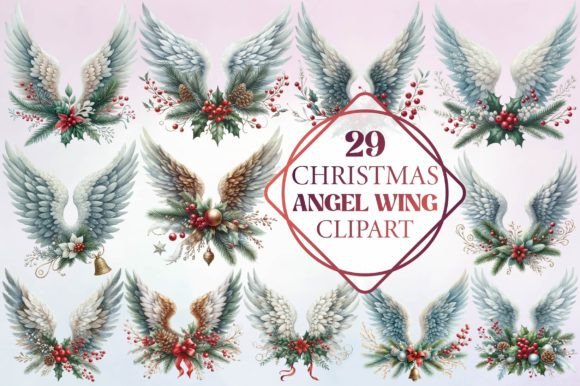
Review: Watercolor Christmas Angel Wing Clipart for Embroidery
As an embroidery designer who has spent years translating digital art into thread, I approach every new machine embroidery design with a mix of curiosity and caution. The holiday season brings a flood of festive motifs, but few capture the delicate balance of whimsy and elegance quite like the Watercolor Christmas Angel Wing Clipart. This isn’t just another generic holiday graphic; it is a piece that demands careful consideration before it hits the hoop. In this review, I am evaluating this asset not merely as a digital image, but as a potential cornerstone for real-world embroidery projects, from boutique apparel to personalized gifts.
First Impressions: Mood and Visual Personality
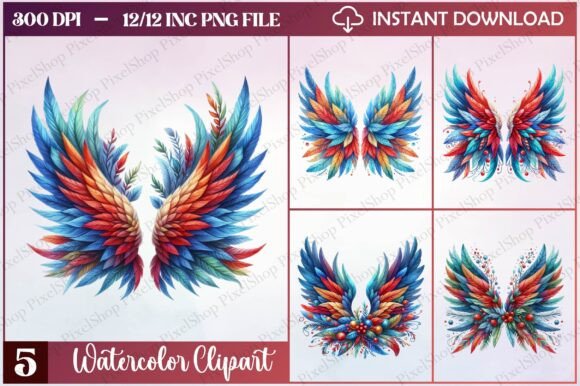
The immediate appeal of the Watercolor Christmas Angel Wing Clipart lies in its softness. Unlike rigid vector lines or heavy traditional illustrations, this design carries the fluid, organic feel of watercolor painting. For an embroiderer, this presents both an exciting challenge and a unique opportunity. The visual personality is gentle, ethereal, and deeply nostalgic. It evokes the quiet moments of the holiday season rather than the chaotic energy of commercial sales.
When I first loaded the file to inspect the layout, I noticed the gradient transitions are subtle. In a digital context, this looks beautiful. However, in embroidery, gradients must be interpreted through thread color changes and stitch angles. The shape of the wings is expansive yet contained, suggesting that this design would thrive on larger surfaces where the details can breathe. It feels inherently suited for items that convey comfort and warmth, such as nursery decor or high-end holiday gifts.
Real-World Application: From Screen to Stitch
To truly understand the value of this embroidery file, I mentally placed it into several common production scenarios. Imagine preparing a custom embroidered tote bag for a client’s holiday market stall. The Watercolor Christmas Angel Wing Clipart would serve as a stunning focal point on a natural canvas or linen background. The organic edges of the watercolor style complement the texture of untreated fabrics, creating a cohesive, handmade aesthetic that appeals to buyers looking for authenticity.
Consider also its use in sweatshirt embroidery. A crewneck sweatshirt in a muted sage green or dusty rose provides the perfect backdrop for these wings. Because the design lacks harsh, thick borders, it sits lightly on the garment, avoiding the "stiff patch" look that plagues many holiday designs. For baby embroidery, such as on a christening gown or a soft blanket, the gentle curves and lack of aggressive detail make it a safe and beautiful choice. Parents are increasingly drawn to subtle, artistic motifs over loud, cartoonish characters, and this design fits that trend perfectly.
For Etsy sellers and small shop owners, this asset offers versatility. It can be used as a standalone applique design if digitized with a cut-edge finish, or as a filled motif using varied thread colors to mimic the watercolor bleed. This flexibility allows crafters to create a diverse range of products, from embroidered patches to pillow covers, without needing multiple distinct designs.
Navigating Technical Challenges
While the aesthetic is strong, practical execution requires attention to detail. The watercolor effect relies on subtle shifts in tone. In embroidery, this translates to frequent color changes or complex fill stitch patterns. If you are working with a hoop size that is too small, you risk losing the nuance of the design. I recommend using at least a 5x7 or 6x10 hoop to ensure the gradients have enough physical space to develop visually.
Fabric choice is critical. On textured fabrics like terry cloth or heavy wool, the fine details of the wing feathers might get lost. Conversely, on thin or stretchy fabric, the stitch density could cause puckering if not properly stabilized. Always use a high-quality cut-away stabilizer for garments that will be washed frequently. For custom apparel like t-shirts, a lightweight tear-away might suffice for a one-time wear item, but for heirloom pieces, stability is non-negotiable.
Another consideration is the curve of the surface. Placing this design on a cap or a curved sleeve requires careful hooping. The wide span of the wings means that any distortion in the fabric will be immediately visible. I advise testing the design on scrap fabric that matches your final product’s weight and stretch before committing to the final piece.
Enhancing Brand Value and Customer Trust
In the world of commercial embroidery, presentation is everything. Using a sophisticated design like the Watercolor Christmas Angel Wing Clipart elevates the perceived value of your handmade product. It signals to the customer that you care about artistic integrity and modern design trends. This is particularly important for craft business owners who want to differentiate themselves from mass-produced holiday decor.
When creating printable mockups or digital previews for your online store, this design photographs exceptionally well. The soft edges blend naturally with lighting, making your product images look professional and inviting. This visual appeal directly impacts buyer engagement and can lead to higher conversion rates for your small shop product listings.
Practical Designer Notes for Best Results
Before you begin stitching, take a moment to review the technical specifications of your digital embroidery file. Since specific details like exact stitch count and format compatibility are not provided here, you must verify these with the source. Ensure the file format matches your machine’s requirements, whether it is PES, DST, or another standard.
- Test on Scrap Fabric: Always run a test stitch-out on the same material you plan to use for the final product. Check for thread breaks and tension issues.
- Check Thread Contrast: Watercolor designs rely on subtle shifts. Use threads that are close in hue but vary in brightness to mimic the paint effect. Avoid high-contrast combinations unless you are aiming for a stylized look.
- Review Stitch Density: If the design feels too dense, consider adjusting the underlay or reducing the fill density slightly to prevent fabric stiffness.
- Inspect Small Details: Zoom in on the digital preview. Are there tiny isolated stitches that might pull out? Simplify these areas if necessary.
- Light vs. Dark Backgrounds: Test the design on both light and dark fabrics. You may need to adjust the thread palette for dark backgrounds to ensure the wings remain visible and vibrant.
- Licensing Verification: If you are using this as part of a Freebies collection or a purchased asset, confirm the license terms. Ensure you have commercial rights if you plan to sell the finished product.
Final Verdict
The Watercolor Christmas Angel Wing Clipart is a thoughtful addition to any designer’s library. It bridges the gap between traditional holiday motifs and contemporary artistic expression. While it requires a skilled hand to execute properly, the result is a personalized gift or product that stands out for its elegance and charm. For apparel decorators and creative entrepreneurs willing to invest the time in proper setup and testing, this design offers a rewarding blend of beauty and commercial viability. It is not just a pattern; it is a statement of quality and taste.