Mama Claus Christmas Sublimation: A Designer’s Review
As an embroidery designer who has spent countless hours digitizing, testing, and stitching out holiday motifs, I approach every new machine embroidery design with a critical eye. It is not just about whether the image looks cute on a screen; it is about how those lines translate into thread, how the tension holds up on different fabrics, and ultimately, whether the finished product will sell in a crowded marketplace. Recently, I evaluated Mama Claus Christmas Sublimation, a piece categorized under Illustrations, to determine its viability for real-world craft business applications. While the title suggests sublimation, my focus here is strictly on its potential as a source for high-quality embroidery projects, analyzing how its visual personality translates to the needle.
First Impressions and Visual Personality
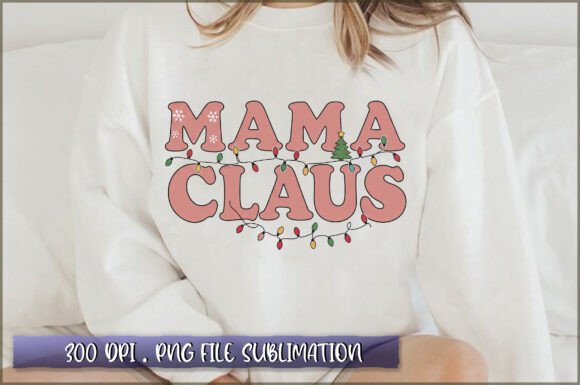
The first thing that strikes you about Mama Claus Christmas Sublimation is its warmth. In a season saturated with rigid, traditional Santa imagery, this design offers a softer, more narrative-driven aesthetic. The layout feels organic rather than geometric, which presents both opportunities and challenges for the embroiderer. The mood is nostalgic and inviting, making it an ideal candidate for holiday embroidery projects that aim to evoke comfort rather than just festive flashiness.
From a technical standpoint, the level of detail in the illustration requires careful consideration. The flowing lines of Mama Claus’s attire and the intricate elements surrounding her suggest a need for precise digitizing. If you are converting this illustration into an embroidery file, you must pay close attention to the transition between satin stitch borders and fill stitch areas. The visual appeal relies heavily on the clarity of these transitions. A poorly digitized version could result in a muddy appearance, losing the charm that makes the original artwork stand out. For designers, this means the source art is strong, but the execution depends entirely on the quality of the digitizing process.
Real-World Application: The Custom Tote Bag Test
To truly understand the value of Mama Claus Christmas Sublimation, I mentally placed it into a common real-life scenario: a custom embroidered tote bag for a boutique client. Tote bags are a staple for Etsy sellers and small shop products during the holiday rush. The canvas fabric of a tote provides a stable base, which is crucial for a design with this level of illustrative detail.
When stitched onto a natural cotton canvas, the design’s inherent warmth complements the rustic texture of the fabric. However, the size matters. For a tote, you want the design to be prominent but not overwhelming. This is where checking the hoop size becomes critical. If the design is scaled down too much to fit a smaller hoop, the finer details of the illustration might merge, causing stitch breaks or visual clutter. Conversely, scaling it up for a large hoop requires ensuring that the stitch density remains balanced so the fabric does not pucker. In this context, Mama Claus Christmas Sublimation shines as a centerpiece, drawing the eye and adding significant perceived value to a simple handmade product.
Fabric Considerations and Stitching Challenges
Not every fabric is created equal, and this design demands respect regarding material choice. While it looks stunning on stable cottons and linens, using it on stretchy fabrics like jersey for a sweatshirt embroidery project requires extra caution. Without proper stabilization, the detailed areas can distort, ruining the clean lines of the illustration. I always recommend using a cut-away stabilizer for garments that will be washed frequently, ensuring the design maintains its integrity over time.
Dark fabrics present another hurdle. If you are stitching this on a navy or black custom apparel item, you must carefully select your thread colors. The contrast needs to be sharp enough to define the shapes without losing the subtle shading implied by the original illustration. Testing the design in black and white mockups before stitching can help you identify areas where contrast might fail. Additionally, for textured fabrics like wool or fleece, the tiny details might get lost. In such cases, simplifying the stitch path or opting for a larger scale can help maintain the design’s recognizability.
Navigating Small Hoops and Curved Surfaces
One area where Mama Claus Christmas Sublimation requires careful handling is in small hoop sizes or on curved surfaces like caps. An embroidered patch or a hat brim offers limited real estate. If the design includes tiny lettering or intricate corners, these elements may not stitch out cleanly at a reduced size. For cap embroidery, the curvature can cause registration issues if the design is too wide or dense. I advise breaking down the design or selecting only the central motif if working with restricted spaces. Always test on scrap fabric first to gauge how the machine handles the specific curves and density of the file.
Commercial Viability and Brand Consistency
For craft business owners, the ultimate question is whether this design helps build a cohesive brand. Mama Claus Christmas Sublimation fits well within a niche that values storytelling and artisanal quality. It is not a generic clip-art style image; it has character. This uniqueness can enhance customer trust and buyer engagement, as shoppers are increasingly looking for personalized gifts that feel special and thoughtfully created.
When used in commercial embroidery projects, such as limited-edition holiday aprons or kitchen towels, the design elevates the product from a utility item to a keepsake. The key is consistency. If your brand leans towards whimsical, hand-drawn aesthetics, this illustration aligns perfectly. However, if your brand is minimalist or modern, the detailed nature of this design might clash. Understanding where the design fits in your broader catalog of design assets is essential for maintaining a professional presentation.
Practical Notes for the Embroiderer
Before you commit to selling items featuring Mama Claus Christmas Sublimation, there are several practical steps to take. First, verify the licensing terms. Just because a file is available for purchase does not automatically grant commercial rights. Confirm whether the license allows for selling finished physical items or if it is restricted to personal use. This is a crucial step for any digital embroidery file user.
- Test on Scrap Fabric: Always run a test stitch-out on the same type of fabric you plan to use for the final product. This reveals issues with tension, density, and color blending.
- Check Thread Contrast: Ensure your thread palette provides enough distinction between adjacent colors to keep the design clear.
- Review Stitch Density: High-density areas can cause puckering, especially on thinner fabrics. Adjust settings if necessary.
- Inspect Small Details: Zoom in on the digitized file to ensure tiny elements are not too fine to stitch reliably.
- Use Proper Stabilizer: Match your stabilizer to the fabric weight and stretch to prevent distortion.
In conclusion, Mama Claus Christmas Sublimation offers a charming and versatile option for holiday-themed projects. Its success lies in the hands of the embroiderer who understands how to adapt an illustration into a durable, beautiful stitch pattern. By respecting the fabric, choosing the right hoop size, and verifying commercial rights, you can turn this digital asset into a standout finished product that delights customers and strengthens your brand. Whether for a baby embroidery item, a festive tote bag design, or a cozy pillow cover, this design has the potential to become a seasonal favorite in your shop.